
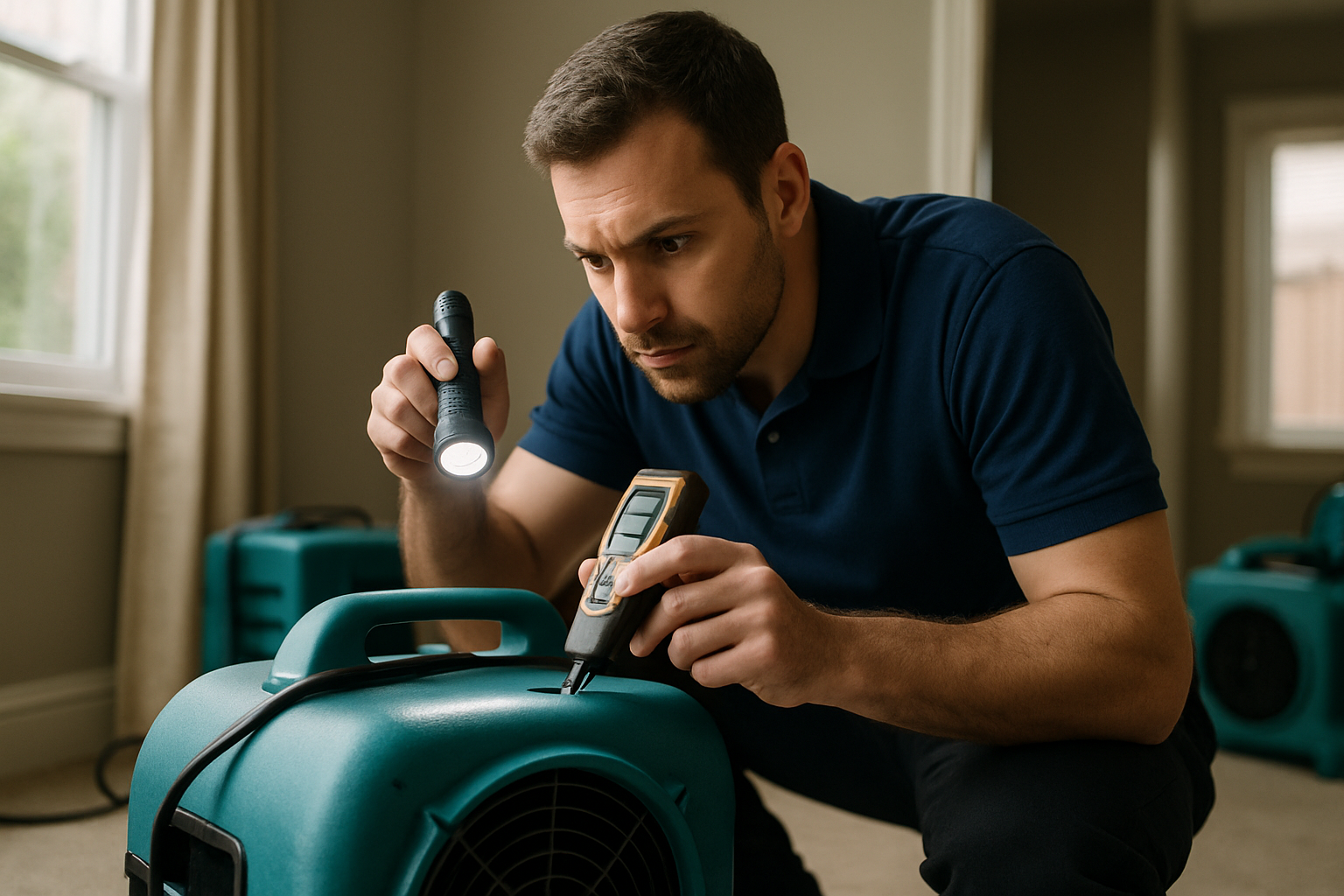
Crawl Space Clean Out — Pure Maintenance Clackamas
Troubleshooting Guide

Crawl Space Clean Out Troubleshooting Guide — Pure Maintenance Clackamas

Crawl space clean outs are a crucial aspect of maintaining a healthy home, especially in Oregon City, Oregon, where moisture issues can lead to significant structural damage. Over time, crawl spaces can accumulate dust, debris, and even mold, which can negatively impact your indoor air quality and overall home environment. As a homeowner, understanding the troubleshooting process for your crawl space can save you time and money while ensuring your home remains a safe and comfortable space for you and your family. At Pure Maintenance Clackamas, we specialize in crawl space clean outs and are dedicated to educating homeowners about common issues and how to address them. Recognizing the signs of a problematic crawl space can help you take proactive measures before more serious issues arise. This guide aims to provide you with valuable insights into the symptoms, steps to troubleshoot, and when it’s essential to call in a professional. By being informed, you can better protect your home from the unique challenges that Oregon City's climate presents, ultimately leading to a healthier living environment for all.

By Pure Maintenance Clackamas
8 min read
Expert-reviewed
Having an Emergency?
Don't wait — call us now for 24/7 emergency service in Oregon City, Oregon.
503-563-8828
Symptoms & Causes

Identify the Problem

Match your symptoms to the most likely cause. Severity ratings help you decide how urgently to act.

Excessive moisture accumulation in the crawl spacehigh
Likely cause: Poor drainage around the foundation, High humidity levels, Leaky pipes or fixtures
DIY check: Check for any visible leaks and apply sealants; ensure downspouts direct water away from the foundation.
Presence of mold or mildewhigh
Likely cause: High humidity, Inadequate ventilation, Standing water
DIY check: Use a home mold test kit and clean the area with a mixture of vinegar and water; consider using a dehumidifier.
Unpleasant odors emanating from the crawl spacemedium
Likely cause: Decay of organic matter, Mold growth, Poor ventilation
DIY check: Identify and remove any organic material; improve ventilation by installing vents or fans.
Pest infestationsmedium
Likely cause: Moisture attracting pests, Poor sealing of entry points, Debris accumulation
DIY check: Clear debris and seal any holes or cracks; consider setting traps or contacting pest control.
Structural damage to beams or joistshigh
Likely cause: Excess moisture weakening wood, Pest damage, Poor construction practices
DIY check: Inspect the beams for visible signs of damage; consult a professional if you notice significant weakening.
Insulation damage or deteriorationmedium
Likely cause: Moisture exposure, Pest damage, Inadequate installation
DIY check: Check for wet or moldy insulation; replace damaged insulation if necessary.
What to Do Next

Step-by-Step Action Plan

Follow these steps before calling a technician — you may be able to resolve the issue yourself.

1

Inspect the Crawl Space

Begin by inspecting your crawl space for visible signs of moisture, mold, or pests. Ensure you wear appropriate safety gear.

2

Check for Water Sources

Look for any leaks from plumbing or HVAC systems. Ensure that downspouts direct water away from the home's foundation.

3

Evaluate Ventilation

Assess the ventilation options in your crawl space. Consider installing vents or fans to promote better airflow.

4

Clear Debris

Remove any debris or organic materials that could harbor pests or mold. Ensure the area is clean and dry.

5

Monitor Humidity Levels

Utilize a hygrometer to monitor humidity levels in your crawl space. Aim to keep humidity below 60%.

Pro Tip
Always turn off power to the unit at the breaker before inspecting any components. Safety first — even for simple checks.
When to Call a Professional

Don't DIY These Situations

Some repairs require a licensed technician for safety, code compliance, and warranty protection.

Professional Assessment Required

If mold growth is extensive and requires specialized removal techniques.

Professional Assessment Required

When structural damage is evident, necessitating professional repair.

Professional Assessment Required

If the crawl space is too cramped or hazardous for safe DIY inspection.

Professional Assessment Required

When pest infestations are severe and require professional extermination.

Professional Assessment Required

If you lack the tools or experience to safely remove hazardous materials.

Common Questions
How often should I have my crawl space cleaned out?
Ideally, crawl spaces should be inspected and cleaned out at least once a year. However, if you notice issues like excessive moisture, mold, or pest infestations, you should schedule a clean out sooner. Regular maintenance helps prevent more significant problems down the line, especially in Oregon City's humid climate.
What are the signs that I need a crawl space clean out?
Common signs include musty odors, visible mold, increased pest activity, and excessive moisture levels. If you notice any of these symptoms, it's essential to address them promptly to prevent further damage to your home.
Can I perform a crawl space clean out myself?
While homeowners can tackle minor issues, a full clean out may require professional help, especially if mold or structural damage is involved. Working in a crawl space can be hazardous, so consider your safety and the complexity of the task before proceeding.
How does a clean out benefit my home?
A clean crawl space improves indoor air quality, reduces the risk of mold and pest infestations, and prevents structural damage. It also enhances energy efficiency by ensuring proper insulation and ventilation, making your home more comfortable.
Related Services

We Can Fix It For You

Our licensed team serves Oregon City, Oregon and surrounding areas — same-day service available.

Problem Solved — Or Need a Pro?

Our licensed team serves Oregon City, Oregon and surrounding areas. Get a free diagnosis — no obligation.