Negative Air Pressure & Containment — Pure Maintenance Clackamas
Troubleshooting Guide

Negative Air Pressure & Containment Troubleshooting Guide — Pure Maintenance Clackamas

Negative air pressure and containment are crucial components in effective water damage restoration, particularly in Oregon City, Oregon, where moisture issues can lead to mold and structural damage. Understanding how to troubleshoot these systems is essential for homeowners to maintain a safe and healthy living environment. This guide will walk you through common symptoms of negative air pressure problems, practical solutions, and when to call in professionals like Pure Maintenance Clackamas. Negative air pressure helps to control air movement during restoration projects. It prevents contaminants from spreading to unaffected areas, ensuring that remediation efforts are effective. However, issues such as improper setup or equipment malfunction can lead to negative air pressure problems. Knowing how to identify these issues early on can save you time and money, and keep your home safe from water damage and mold growth. In this guide, we’ll explore symptoms, diagnostic steps, and professional intervention recommendations tailored for Oregon City residents dealing with water damage restoration challenges.

By Pure Maintenance Clackamas
8 min read
Expert-reviewed
Having an Emergency?
Don't wait — call us now for 24/7 emergency service in Oregon City, Oregon.
503-563-8828
Symptoms & Causes

Identify the Problem

Match your symptoms to the most likely cause. Severity ratings help you decide how urgently to act.

Inadequate containment of water-damaged areashigh
Likely cause: Improperly sealed containment barriers, Insufficient negative air pressure, Equipment malfunction
DIY check: Inspect and reseal any gaps in the containment barriers to improve air pressure.
Unpleasant odors in the homemedium
Likely cause: Mold growth due to poor air containment, Increased humidity levels, Contaminated air being recirculated
DIY check: Use air purifiers in affected areas while ensuring containment is properly managed.
Visible dust or debris escaping from the containment areahigh
Likely cause: Faulty containment setup, Leak in the negative air system, Incorrect airflow direction
DIY check: Check for leaks in the containment setup and adjust airflow direction as needed.
Equipment frequently shuts off or fails to operatehigh
Likely cause: Power supply issues, Overheating due to dust buildup, Mechanical failure
DIY check: Clean filters and check power connections before restarting the equipment.
Inconsistent air pressure readingsmedium
Likely cause: Malfunctioning pressure gauge, Obstructions in airflow, Incorrect setup of equipment
DIY check: Inspect the pressure gauge and remove any obstructions from vents and ducts.
Mold growth in areas adjacent to the containment zonehigh
Likely cause: Air leaks in containment barriers, Ineffective negative pressure, High humidity levels outside containment
DIY check: Improve sealing of barriers and use dehumidifiers to reduce humidity.
Condensation buildup in the containment areamedium
Likely cause: High humidity levels, Improper ventilation, Ineffective air circulation
DIY check: Increase air circulation using fans and adjust dehumidifier settings.
What to Do Next

Step-by-Step Action Plan

Follow these steps before calling a technician — you may be able to resolve the issue yourself.

1

Assess the Containment Setup

Inspect the integrity of the containment barriers to ensure they are properly sealed and that there are no gaps or leaks.

2

Check Negative Air Pressure Equipment

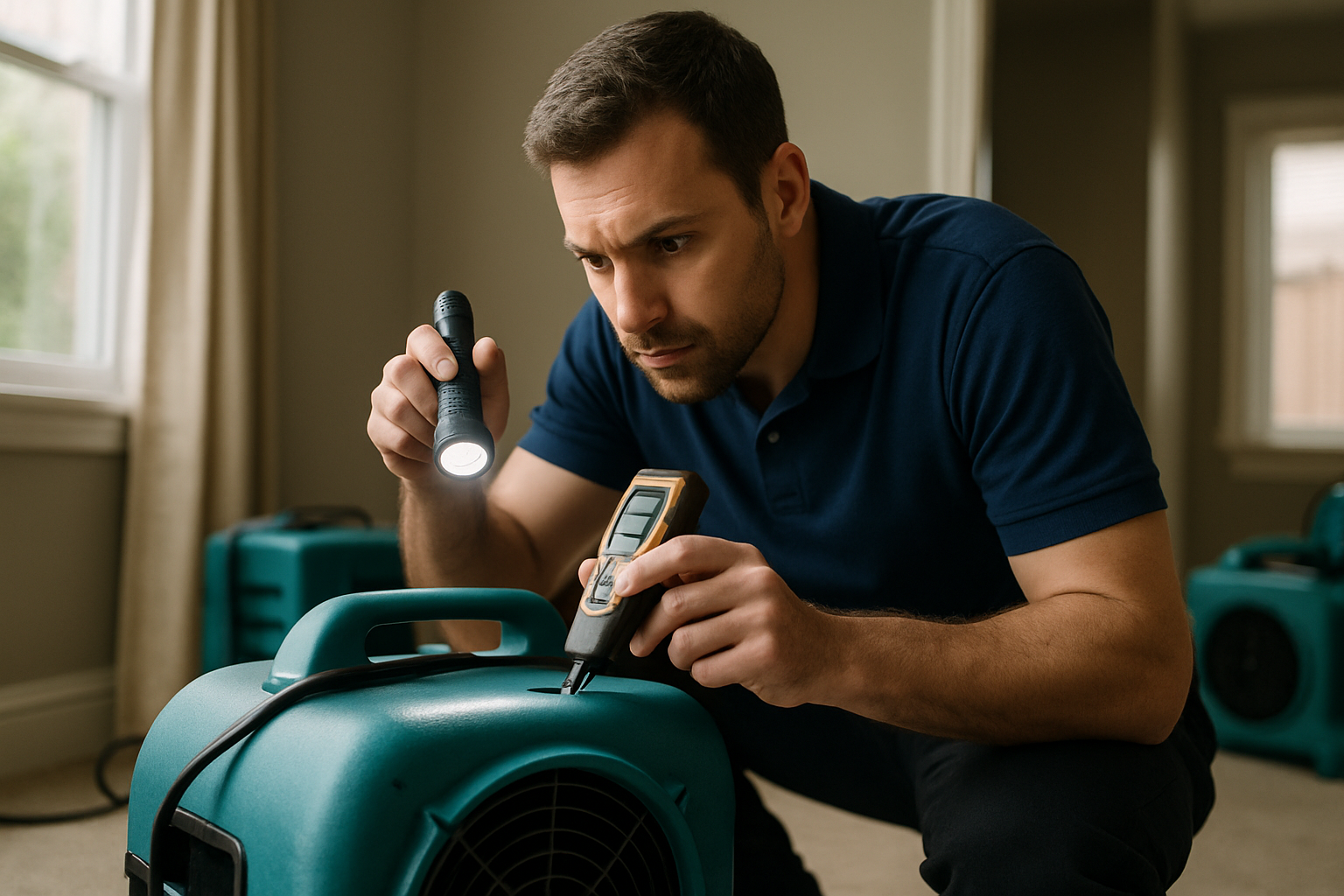
Examine the negative air machines to ensure they are functioning correctly and that filters are clean.

3

Monitor Air Pressure Levels

Use a pressure gauge to monitor levels within the containment area and ensure they are stable.

4

Evaluate Airflow Direction

Ensure that the airflow is directed correctly to prevent contaminants from escaping the containment area.

5

Adjust Dehumidifiers and Ventilation

Make necessary adjustments to the dehumidifier settings and ensure that ventilation is adequate to control humidity levels.

Pro Tip
Always turn off power to the unit at the breaker before inspecting any components. Safety first — even for simple checks.
When to Call a Professional

Don't DIY These Situations

Some repairs require a licensed technician for safety, code compliance, and warranty protection.

Professional Assessment Required

Persistent odor issues despite troubleshooting efforts, indicating deeper mold or contamination concerns.

Professional Assessment Required

Failure of negative air pressure equipment that requires specialized knowledge and tools for repair.

Professional Assessment Required

Structural damage to containment barriers that may compromise the effectiveness of the restoration process.

Professional Assessment Required

Inability to achieve stable air pressure readings after multiple adjustments, suggesting equipment malfunction or setup errors.

Professional Assessment Required

Signs of mold growth outside the containment area that can't be effectively managed without professional intervention.

Common Questions
What causes negative air pressure problems?
Negative air pressure problems can arise from several factors, including improper sealing of containment barriers, malfunctioning negative air machinery, or incorrect airflow direction. These issues can allow contaminants to escape the work area, undermining the effectiveness of water damage restoration efforts.
How can I determine if my negative air pressure system is working correctly?
You can monitor the system's performance by checking for stable air pressure readings with a gauge, inspecting for visible leaks in the containment area, and ensuring that the air filtration devices are functioning properly. If you notice dust or debris escaping the containment area, it may indicate a problem with the system.
Is it safe to operate negative air machines continuously?
Yes, negative air machines can safely operate continuously during the water damage restoration process. However, it is essential to ensure that the equipment is well-maintained, with clean filters and no obstructions in the airflow, to prevent overheating and ensure effective operation.
When should I call a professional for negative air pressure issues?
You should call a professional if you experience persistent odor issues, consistent equipment failures, structural damage to containment barriers, or if you notice mold growth beyond the containment area. Professionals possess the expertise and tools required to diagnose and resolve these problems effectively.
Related Services

We Can Fix It For You

Our licensed team serves Oregon City, Oregon and surrounding areas — same-day service available.

Problem Solved — Or Need a Pro?

Our licensed team serves Oregon City, Oregon and surrounding areas. Get a free diagnosis — no obligation.